Thinking about selling your Milton home but unsure where to start? You want a strong price, a clean timeline, and a smooth move into your next place. This guide shows you how to use local data to price smart, time your listing, prep efficiently, and coordinate your sale with your purchase. You will walk away with a practical plan you can execute. Let’s dive in.
Milton market snapshot
As of February 2026, focus on the metrics that matter most for Milton’s single-family market. Look at rolling 3- and 12-month trends so you can smooth out weekly swings and see the real direction.
- Median sale price and price per square foot. These show where most sales land and how finish level affects value.
- Inventory and months of supply. This tells you if conditions favor sellers or buyers.
- Days on market and time to contract. Use this to plan your timeline and move-up strategy.
- Sale-to-list price ratio. This shows negotiation pressure in your price band.
- New listings and pending sales. Week-over-week and year-over-year trends reveal current buyer demand.
- Price-band activity. Track sales under $750k, $750k–$1.25M, and above $1.25M to see where demand is strongest.
- Multiple-offer frequency. Ask for recent local data by neighborhood and price band.
Segment your view by Milton submarkets. East Milton and Lower Mills often attract buyers who value proximity to shops and river paths. Milton Village and Milton Hill draw interest for historic character and period details. The Granite Ave area benefits from commute access. The Blue Hills corridor appeals to buyers who prioritize outdoor space. Micro-markets can move differently from the town average, so align your pricing with the most relevant cluster of comps.
Price with a Milton CMA
A Milton-specific Comparative Market Analysis keeps your list price anchored to reality. Follow this simple plan.
CMA steps that work
Define your target market. Compare your home to similar single-family move-up homes with close bedroom and bath counts, similar finished square footage and lot size. Note updates, parking, and commute corridors.
Select recent sold comps. Choose 3–6 closed sales from the last 3–6 months within 0.5–1 mile when possible. Expand the radius if inventory is thin.
Add actives and pendings. Active listings show your current competition. Pending sales reveal where buyers are actually agreeing on price right now.
Adjust for differences. Make dollar adjustments for square footage, lot size, finished basements, primary suites, garage spaces, condition, and age.
Consider time adjustments. If prices have shifted since a comp closed, apply a monthly trend factor from recent Milton data.
Produce a pricing band. Set three targets: low for a quick sale, likely for balanced exposure, and optimistic for more time on market but potential upside.
Model net proceeds. Subtract estimated commissions, closing costs, any outstanding mortgage, and prep costs so you know your cash for the next purchase.
A quick example
Imagine a 4-bedroom colonial in East Milton with an updated kitchen, a finished basement, and a 2-car driveway. You would compare it to nearby 4-bed sales in the past few months, then adjust for lot size, finished square footage, and condition. Add current active and pending listings to see how buyers are reacting today. The output is a low, likely, and optimistic list price band with estimated net proceeds for each. This gives you both price clarity and timeline expectations.
Pick the right list price
Your strategy should fit your goals and the market.
- Market-priced. List near the likely sale price to draw strong traffic and reliable timelines. This works well when inventory is limited or you must coordinate a purchase.
- Slightly under-market. Useful when multiple offers are common in your micro-market. The risk is landing below target if demand cools.
- Aspirational overpricing. Accept longer days on market and possible price reductions. Consider this only if timing is flexible.
- Price-band targeting. Place your list price just under a common search threshold to capture more buyer eyeballs.
What to ask your agent before you choose:
- A full CMA with closed, pending, and active comps from the last 6 months.
- Absorption rate, DOM distribution, and sale-to-list ratio for your price band.
- A net proceeds worksheet at low, likely, and optimistic list prices.
Time your Milton sale
In the Boston area, spring through early summer, roughly March to June, typically brings the strongest buyer activity and pricing. Fall can still be productive, though homes may sit longer. Winter is usually slower. Use current MLS data to confirm the pattern this year and adjust your plan if conditions shift.
Understand the timeline. The time from list date to an accepted offer varies by price band, condition, and marketing. Standard closing windows in Massachusetts commonly run 30 to 60 days. Plan your prep, list date, and next-home search so you can negotiate a closing schedule that fits your move.
Coordinate sale and next purchase
There are several practical paths to align both moves. Discuss these early with your agent and lender.
- Home-sale contingency on your purchase. Pro: less pressure on timing. Con: weaker offer if you compete with non-contingent buyers.
- Bridge loan or HELOC. Close on the next home first, then sell. Requires lender qualification and comfort with carrying costs.
- Rent-back after closing. Sell, then stay as a short-term tenant while your purchase closes.
- Extended or simultaneous closings. Align both deals so you move once. Requires careful coordination.
- Short-term rental. A flexible fallback if timelines do not match. Budget for moving and storage.
Ask for written timelines in any contingency, and confirm tax and insurance details for temporary occupancy or rent-backs.
Prep, stage, and show smart
Pre-list inspection and repairs
A pre-list inspection can help you uncover items that could slow a deal. In older Milton homes, pay attention to roofs, chimneys, electrical systems, and heating. In lower-elevation lots near the Neponset River or Blue Hills runoff, check drainage and sump pumps with a local inspector. Address safety or financing obstacles first so appraisals and buyer underwriting go smoothly.
Staging priorities with ROI
Industry studies report that staged homes often sell faster and can achieve higher prices than unstaged properties. Focus on high-impact, cost-effective updates:
- Declutter, deep clean, and depersonalize. Create bright, neutral spaces.
- Paint in light, neutral tones and freshen trim.
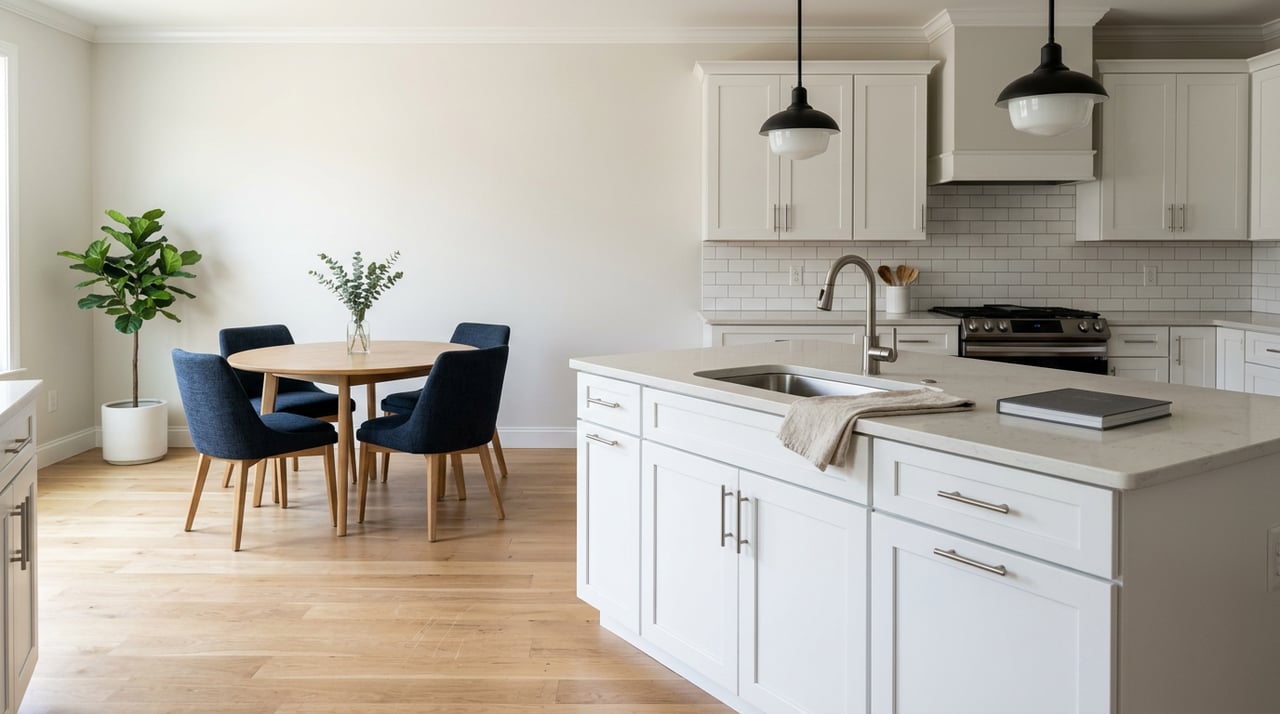
- Refresh kitchens and baths with hardware, lighting, re-grouting, and minor updates.
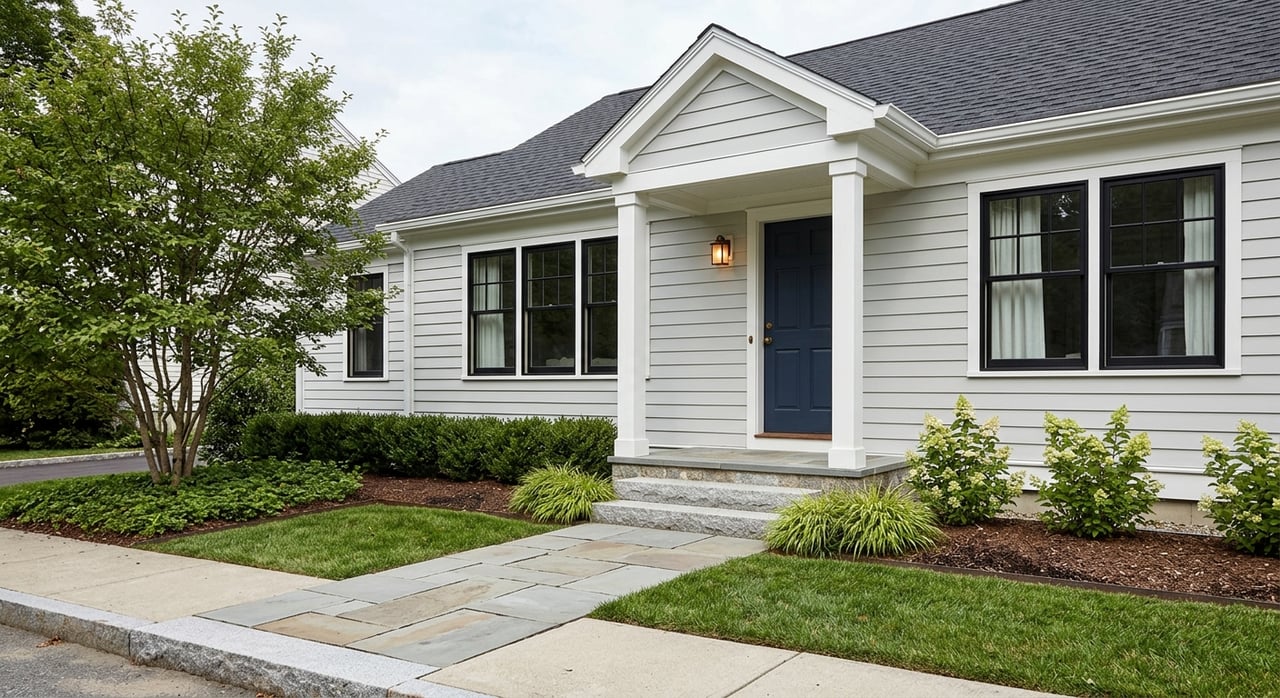
- Boost curb appeal with clean walkways, trimmed hedges, and fresh mulch.
- Improve lighting with consistent, bright bulbs and working fixtures.
Consider larger projects case by case. Full kitchen remodels or additions take time and budget, and they make more sense in the upper half of the market. Finished basements or additional living areas can appeal to move-up buyers who want flexible space.
Showing strategy
- Offer flexible showing windows and allow same-day showings when possible.
- Use professional photography, floor plans, and a 3D tour to increase traffic.
- Run open houses where they drive results, but lean on private showings for qualified buyers.
- Collect showing feedback and watch listing-traffic analytics. If activity lags, adjust your pricing or presentation quickly.
Milton micro-markets to know
- East Milton and Lower Mills. Emphasize convenience to local shops, services, and riverside paths. Smaller updated homes can attract buyers who value easy access.
- Milton Village and Milton Hill. Highlight period details, charm, and any mechanical updates or system upgrades.
- Granite Ave area. Note commute routes and access to Boston, plus any recent updates that reduce ownership friction.
- Blue Hills corridor. Showcase lot size, outdoor space, and flexible rooms for work or hobbies.
Tie your marketing to what local buyers prioritize: functional layouts, well-maintained systems, outdoor space, and proximity to daily needs. Keep the language neutral and factual.
Seller checklist
Use this concise checklist to get market-ready:
- Get your current mortgage payoff and list any liens.
- Pull recent tax and utility records for disclosures.
- Declutter, deep clean, and complete light repairs. Paint where needed.
- Improve curb appeal, including lawn care and entry lighting.
- Address major issues that could affect appraisal or financing.
- Hire a professional photographer and consider a 3D walkthrough and floor plan.
- Create a move-ready staging plan, including storage for extra furniture.
- Order a pre-inspection if you have system concerns or known issues.
- Decide showing rules, including notice time and pet plan.
What to request from your agent
Ask for these items so you can make confident decisions:
- A full CMA with closed, pending, and active comps for the last 6 months.
- DOM distribution, absorption rate, and sale-to-list ratio for your price band.
- A written marketing plan and budget, including pro photos, 3D tour, and targeted outreach.
- A net proceeds worksheet at multiple price scenarios.
- Sample timeline language for contingencies, rent-backs, or extended closings, plus lender contacts for bridge options.
- A prioritized pre-list repair list with estimated costs.
- A recent buyer profile by price band and neighborhood, including top-requested features.
Selling in Milton rewards preparation and precision. When you use hyperlocal data, a disciplined pricing plan, and a clear timing strategy, you can sell well and move with confidence. If you want a custom CMA and a timeline that fits your goals, connect with Jonathan Heelen for Smart Real Estate, Seamless Experience.
FAQs
How should Milton sellers set list price in 2026?
- Use a Milton-specific CMA with closed, pending, and active comps, then choose a low, likely, and optimistic list-price band tied to your timing needs.
What is the best season to list in Milton?
- Spring and early summer commonly see the strongest buyer activity, with fall still productive and winter slower, so confirm current patterns with fresh MLS data.
How do I coordinate selling and buying in Milton?
- Consider a home-sale contingency, bridge loan or HELOC, rent-back, or aligned closings, and plan timelines with your lender and agent early.
Which pre-list updates matter most for Milton homes?
- Focus on decluttering, paint, lighting, curb appeal, and minor kitchen or bath refreshes, then address any safety or financing hurdles first.
How long does a Milton home take to sell?
- Timeline varies by price band and condition, so review current days-on-market and time-to-contract data for your submarket before setting expectations.
What data should I request from a Milton agent?
- Ask for a full CMA, DOM distribution, absorption rate, sale-to-list ratio, a marketing plan, net proceeds scenarios, and a prioritized repair list.