If you are trying to buy your first home in Boston, one question matters fast: can you still find a neighborhood where the numbers make sense without giving up too much space? Mattapan stands out because it offers a more accessible entry point than many other parts of the city, especially if you are open to older housing stock and a bus-first commute. If you want a clear, data-driven look at whether Mattapan fits your budget and lifestyle, you are in the right place. Let’s dive in.
Why Mattapan Gets Attention
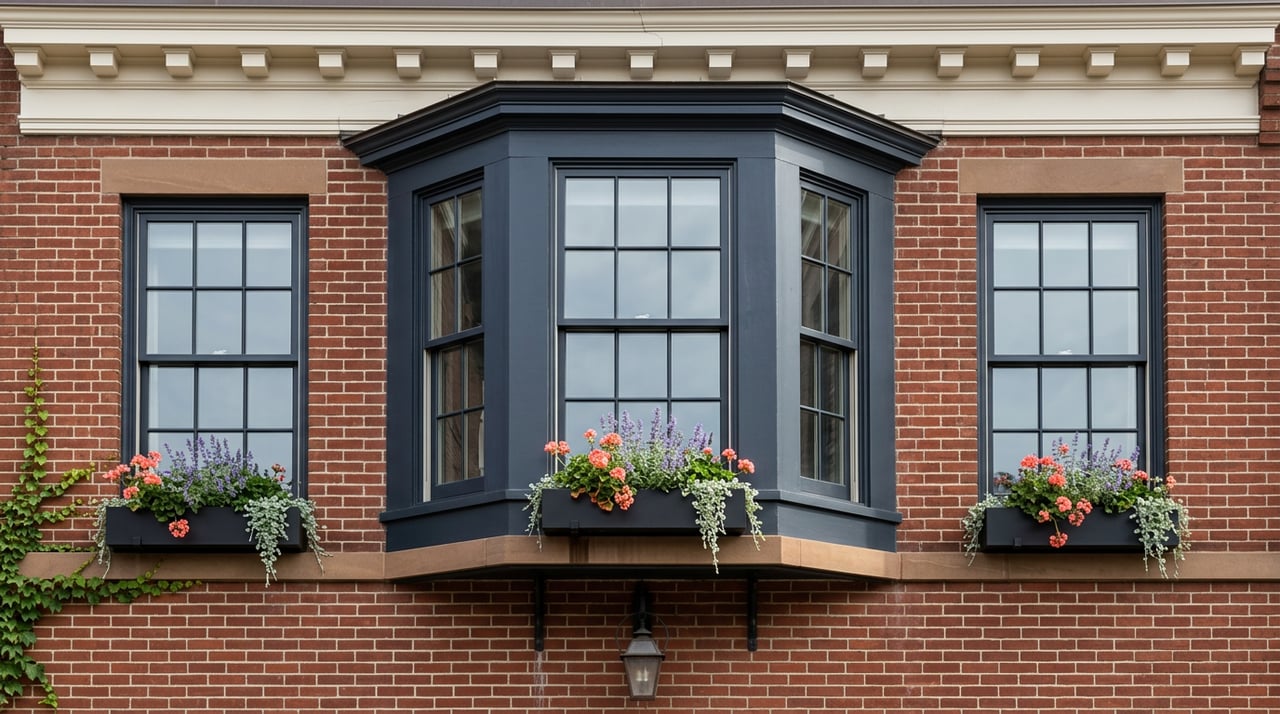
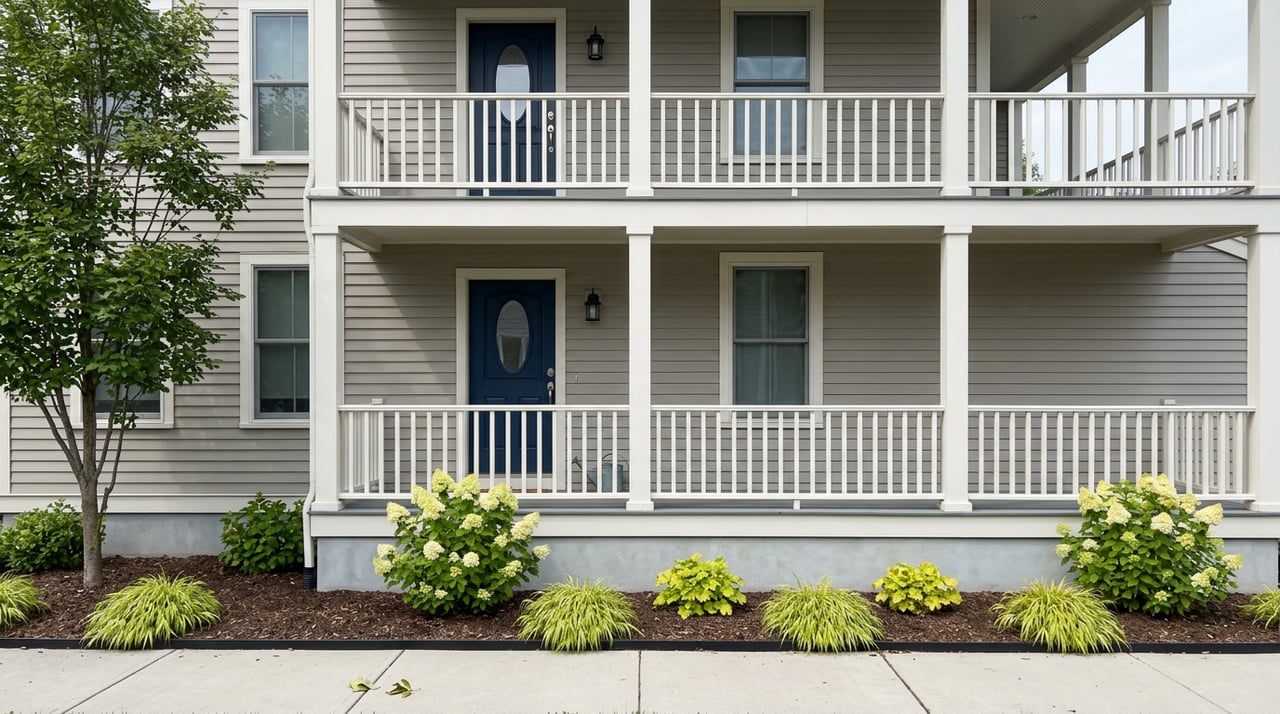
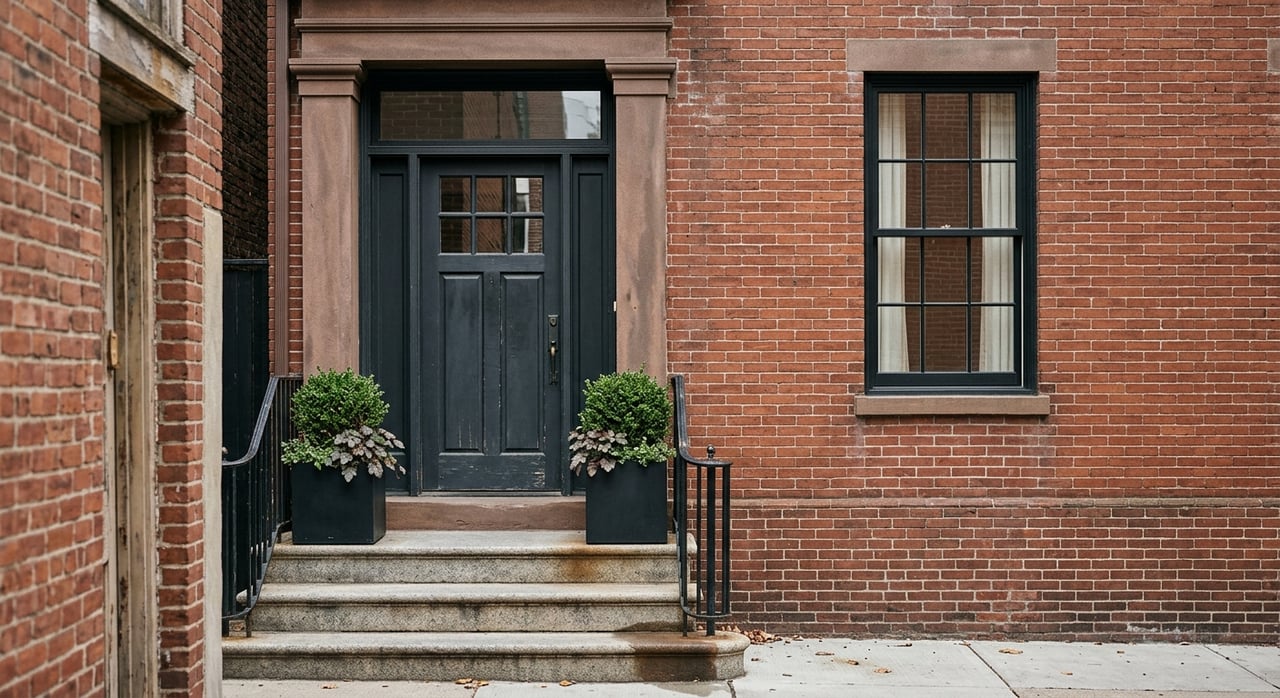
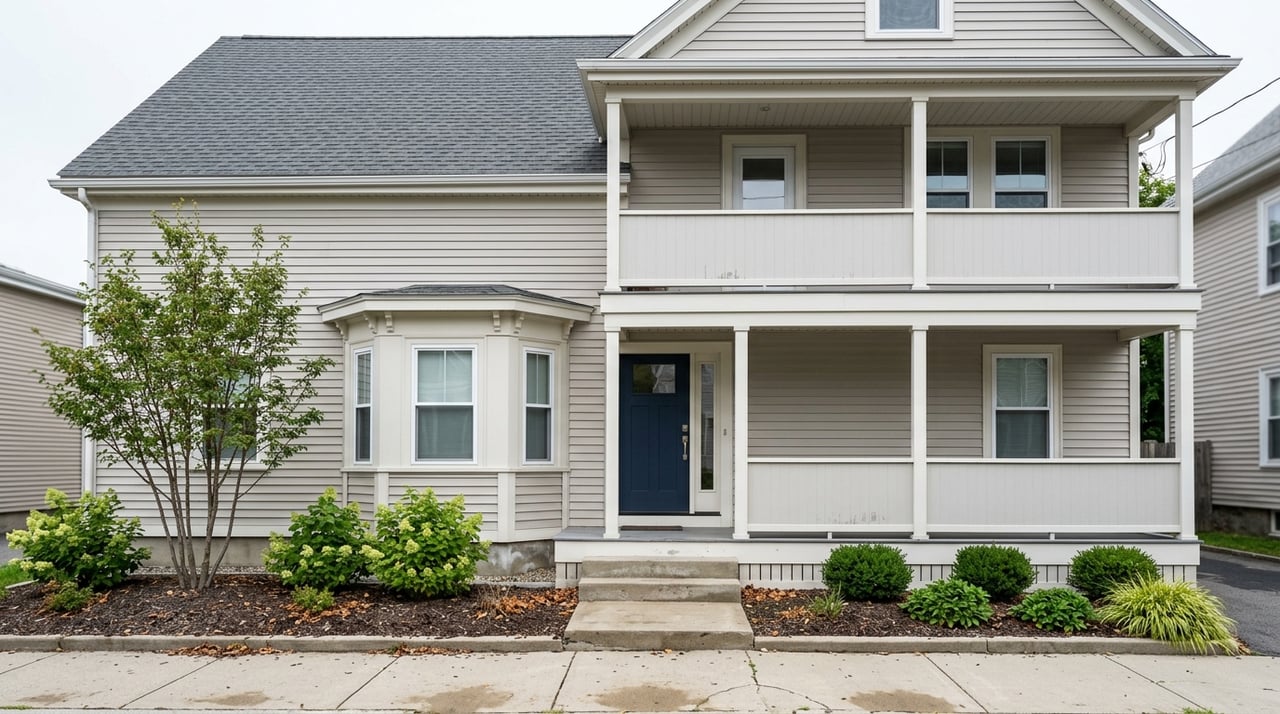
Mattapan is a southern Boston neighborhood that the city describes as primarily residential, with growing commercial centers. Boston planning materials point to a mix of small apartment buildings, single-family homes, public housing, and traditional Boston triple-deckers. Blue Hill Avenue and Mattapan Square are the main commercial districts, and the area also offers access to green space such as Harambee Park, the Franklin Park Zoo, the Boston Nature Center and Wildlife Sanctuary, and Forest Hills Cemetery.
For first-time buyers, that mix can be appealing because it feels more residential than some denser core neighborhoods while still keeping you in Boston. You are not looking at one single housing style here. Instead, you have a range of property types that can match different budgets and space needs.
Mattapan Prices vs Boston
The biggest reason many first-time buyers look at Mattapan is price. According to Boston’s 2025 sales report, the citywide median single-family price was $870,000, while the citywide median condo price was $721,750. In Mattapan, the median single-family sales price was $622,500, and condo median sales prices were under $500,000.
That gap is meaningful. If you have been priced out of other Boston neighborhoods, Mattapan may offer a path to ownership that feels more realistic without leaving the city limits.
What Those Price Bands Mean
Median prices do not tell you what every home costs, but they do give you a useful starting point. In Mattapan, your options often break down like this:
- Under about $300,000: Most opportunities are likely to be limited or deed-restricted rather than standard market inventory.
- About $300,000 to $500,000: This is the more realistic entry range for a market-rate condo.
- Around the low $600,000s: This is closer to the neighborhood’s typical single-family benchmark.
- Above that: You may have more flexibility on size, condition, or level of renovation.
The city also highlighted a recent example of affordable homeownership at 872 Morton Street, where one-bedroom units were offered from $186,400 to $221,900 and two-bedroom units from $248,600 to $288,700. That does not mean deals like that are common, but it shows that below-market opportunities can exist in Mattapan.
What Kind of First Home You May Find
Mattapan’s housing mix is one of its strongest points for buyers who need more room. The 2025 Boston neighborhood profile shows 9,863 housing units, with 9,173 occupied units. Of those occupied units, 4,285 are owner-occupied and 4,887 are renter-occupied.
The bedroom mix is especially notable. Only 16.7% of units are studios or one-bedrooms, while 33.2% are two-bedrooms and 50.1% are three-bedrooms or larger.
That is important if your first-home wish list includes space for a home office, guests, or long-term flexibility. In many Boston neighborhoods, your first purchase may mean compromising on square footage. In Mattapan, the housing stock suggests you may have a better shot at finding a larger home type than a typical inner-city condo.
Housing Types to Expect
As you search in Mattapan, you are more likely to come across:
- Single-family homes
- Triple-deckers
- Small multi-unit buildings
- Condo opportunities within older housing stock
This can be a good fit if you are comfortable with homes that may be older in style or layout. If your top priority is a newer, turnkey condo experience similar to central Boston developments, Mattapan may offer fewer of those options.
Lifestyle Fit for First-Time Buyers
A smart first-home choice is not just about price. It is also about whether the neighborhood works for your day-to-day life.
Mattapan looks strongest for buyers who want more space, a residential setting, and a lower entry point than many other Boston neighborhoods. It can also work well if you are open to the character and tradeoffs of older homes, including layout quirks or future updates.
If you want a quick reality check, Mattapan may be a strong fit if you value:
- More space for your budget
- Staying within Boston
- A neighborhood with a residential feel
- Access to commercial corridors and nearby green space
- A wider range of housing types than just small condos
Transportation Tradeoffs Matter
Commute patterns are one of the biggest practical factors in Mattapan. Boston planning materials are direct about this: the neighborhood is heavily bus-reliant today. The city says most Mattapan transit riders are bus riders, and it also notes that current bus routes are unreliable.
That does not mean transit is absent. Boston has extended fare-free MBTA bus service on Routes 23, 28, and 29, and Route 29 runs from Mattapan Square along Blue Hill Avenue to Jackson Square. Transit notices also reference service between Broadway, Ashmont, and Mattapan, reflecting the Mattapan branch connection to the Red Line system.
How to Think About the Commute
If you are comparing neighborhoods, Mattapan may work best when you prioritize price and space over rail-centered convenience. Boston planning documents say proposed bus lanes on Blue Hill Avenue and Warren Street could cut rush-hour travel between Mattapan Square and Nubian Square to about 25 minutes from about 50 minutes today.
That points to potential improvement, but the current reality is still important. If your ideal setup is the shortest and most dependable subway commute, Mattapan may be a weaker match. If you are comfortable with a bus-first routine, the value equation may look much better.
Car Access Is Part of the Picture
Vehicle data also helps explain how people live in Mattapan. Boston’s 2025 mobility tables show that 75.0% of occupied households in the neighborhood have at least one vehicle, while 25.0% have none.
That suggests Mattapan is more car-accommodating than many central Boston areas, even though transit remains important. For some first-time buyers, that flexibility can be a plus. You may not feel as boxed into a rail-only lifestyle as you would in other parts of the city.
What Future Planning Could Mean
Mattapan is not standing still. Boston’s adopted planning vision for the neighborhood focuses on keeping existing residents stable, creating affordable housing options for new residents, improving transit connections, and encouraging transit-oriented growth while preserving neighborhood character.
Planning documents also say zoning work includes backyard accessory dwelling units, mixed-use zoning, and implementation tied to the city’s Squares + Streets initiative. A Mattapan residential zoning study has also focused on ADUs.
For a first-time buyer, that matters because it signals continued public attention to housing choice and neighborhood growth. It does not guarantee future value or resale performance, but it does suggest Mattapan is part of an active long-term planning conversation rather than an overlooked corner of the city.
New Housing Projects to Watch
The city has also announced several housing efforts in Mattapan, including:
- A six-unit affordable homeownership project at 30-36 Mildred Avenue
- BLUME on the Ave, a 30-home income-restricted project on Blue Hill Avenue
- Mattapan Station Development, described as transit-oriented housing with affordable and market-rate components
These projects may help expand housing options over time. For buyers who think beyond the first year of ownership, that broader planning context can be useful to understand.
So, Is Mattapan a Smart First Home Choice?
For many Boston buyers, yes. Mattapan looks especially strong if you want a lower entry price, more square footage, and a residential neighborhood feel while staying in the city.
The numbers support that case. Compared with Boston’s 2025 citywide medians, Mattapan offers materially lower price benchmarks, particularly for single-family homes. It also offers a housing mix with a large share of two-bedroom and three-bedroom-plus units, which can make it appealing if your first purchase needs to serve you for more than just a year or two.
At the same time, this is not the perfect fit for everyone. The bus-heavy commute tradeoff is real, and inventory may not match buyers who want a polished, central-Boston-style condo experience.
A smart move is to weigh Mattapan against your actual priorities, not just the listing photos. If your goal is to stretch your budget further and buy into Boston with more space, Mattapan deserves a serious look.
If you want help comparing Mattapan to other Boston neighborhoods, building a realistic first-home budget, or sorting through condo versus single-family options, Jonathan Heelen can help you make a confident, data-driven plan.
FAQs
Is Mattapan more affordable than other Boston neighborhoods for first-time buyers?
- Based on Boston’s 2025 sales report, Mattapan had the city’s lowest median single-family sales price at $622,500, and its condo median was under $500,000, both below Boston citywide medians.
What types of homes can first-time buyers find in Mattapan?
- Mattapan includes single-family homes, small apartment buildings, traditional triple-deckers, public housing, and condo opportunities within older housing stock.
Is Mattapan a good fit if you need more space in Boston?
- It can be, since Boston’s 2025 neighborhood data shows that 50.1% of Mattapan housing units are three-bedrooms or larger, and 33.2% are two-bedrooms.
How does commuting from Mattapan work for Boston buyers?
- Mattapan is currently a bus-heavy neighborhood, with city planning materials noting that most transit riders use buses and that route reliability is an ongoing issue, though fare-free service exists on Routes 23, 28, and 29.
Can you buy a first home in Mattapan for under $300,000?
- Opportunities under about $300,000 are usually limited or deed-restricted rather than typical market-rate inventory, based on the city’s reported price patterns and affordable homeownership examples.