Choosing between a rowhouse and a condo in Charlestown can feel harder than it sounds. In this neighborhood, the choice is not just about price or square footage. It is also about how you want to live, what kind of maintenance you want to handle, and how much control you want over your home. If you are weighing both options, this guide will help you compare the tradeoffs with Charlestown’s local market and housing stock in mind. Let’s dive in.
Why this choice feels different in Charlestown
Charlestown has deep historic roots, but it is also a very active modern housing market. The City of Boston describes it as a neighborhood with historic assets and residential areas that planners are working to preserve as growth continues. That matters because the homes you see here often reflect very specific local patterns, especially in the historic rowhouse areas.
The market is also competitive. Over the three months ending May 2026, Redfin reports a median sale price of $1,009,660, median days on market of 16, and a sale-to-list ratio of 100.8% in Charlestown. Realtor.com also shows a median listing price near $999K and notes that days on market have declined year over year.
In other words, you are not just choosing between two property types. You are choosing how to compete in a fast-moving neighborhood where exact block, building style, and layout can shape both your daily life and your resale outlook.
Charlestown rowhouses have strong local roots
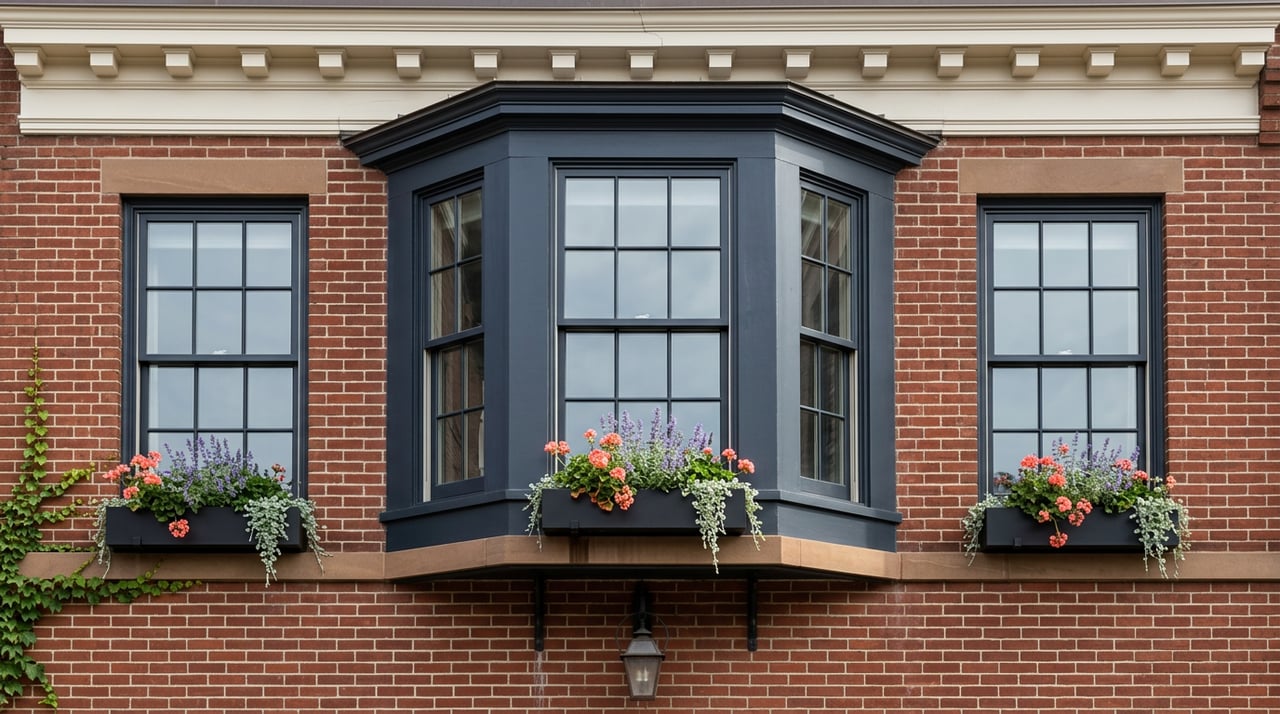
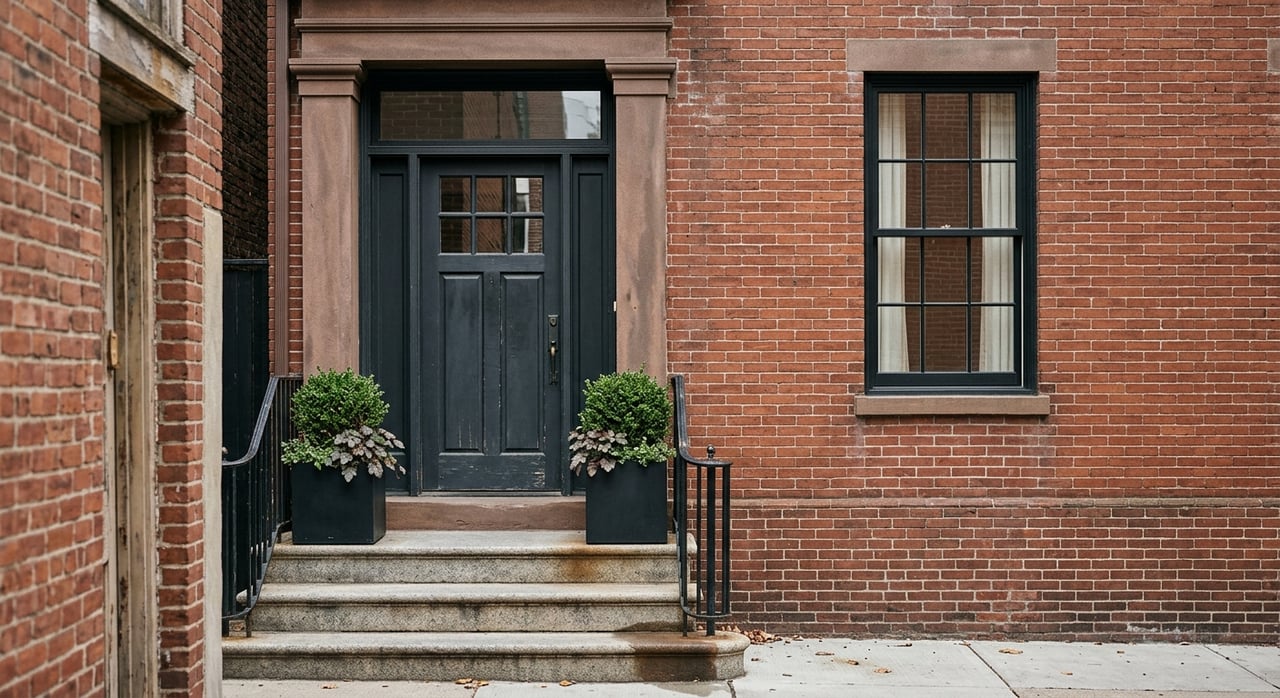
Rowhouses are a defining part of Charlestown’s identity. Boston planning materials note that the RH-2000 row house subdistrict exists to preserve and reinforce the neighborhood’s historic rowhouse fabric. A BPDA memo describing Baldwin Street highlights cohesive red brick rowhouses as a critical part of Charlestown’s historic housing stock.
That local context matters if you are drawn to character, traditional streetscapes, and a home that feels tied to Charlestown’s architectural history. It also matters if you are thinking ahead about changes to the property, because exterior work in historic rowhouse areas can draw more attention from a planning and design standpoint.
Boston planning materials also note that many existing rowhouses have rear yards of about 10 to 15 feet. That gives you a useful baseline when you compare outdoor space, future additions, or the feel of a home’s backyard setup.
What you actually own
Rowhouse ownership
If you buy a single-family attached rowhouse or brownstone-style home, you usually have more direct ownership and control over the property itself. In practical terms, that often means you are making decisions about the roof, exterior, patio, or deck without a condo association handling those items as shared responsibilities.
A local example in Charlestown is 16 Chestnut Street, marketed as a single-family brownstone with 4 bedrooms, 3.5 baths, 3,446 square feet, a private patio with gas grill hookup, a private balcony, and a roof deck. That kind of setup shows what appeals to buyers who want more autonomy and more distinct private-use space.
Condo ownership
A condo works differently. In Massachusetts, condominiums are privately owned units governed by master condominium documents, the deed, by-laws, and Chapter 183A. The law defines common areas broadly, often including the structure, land, yards, gardens, parking areas, and storage spaces, though balconies, terraces, and storage lockers can be part of a unit if the master deed says so.
That means a condo can still offer features that feel private, but you should verify how those features are legally defined. A deck, terrace, parking space, or storage area might be part of the unit, a limited common area for your exclusive use, or part of the general common area.
A good Charlestown example is 74 School Street #3, a condo in a rowhouse structure. Redfin lists it with 3 bedrooms, 2 baths, 1,280 square feet, 3 parking spaces, a private deck, and monthly HOA dues of about $356. This is a great reminder that in Charlestown, a condo can still live inside a classic rowhouse form.
Maintenance and monthly costs
Why condos often feel easier day to day
If low-maintenance living is high on your list, a condo may have the edge. Condo ownership usually pools more costs and responsibilities through the association. Under Massachusetts law, associations assess common expenses, maintain reserve funds, keep records, and manage shared obligations.
In plain English, your monthly fee is often paying for more than you might think. Depending on the building, it may cover utilities, insurance, maintenance, snow removal, reserve funding, and amenities.
For example, 42 Eighth Street #5314 is listed at $719,000 with $898 monthly HOA dues. According to the listing, those dues cover heat, gas, water, sewer, insurance, security, building and grounds maintenance, snow removal, trash, air conditioning, and reserve funds, along with amenities like a pool, fitness center, clubroom, storage, garden area, parking, and clubhouse.
That said, condo fees in Charlestown vary a lot. The smaller-scale 74 School Street #3 carries monthly dues of $356.93, and the listing says those fees cover water, sewer, and insurance. So when you compare condos, it is important to look beyond the fee amount and ask what the fee actually includes.
Why rowhouses offer more control
A rowhouse or single-family attached home usually does not pool those same exterior and common-area costs through an HOA in the same way. That can be appealing if you want direct control over repairs, upgrades, and property decisions.
But more control also means more direct responsibility. You are more likely to be managing the roof, exterior surfaces, outdoor spaces, and maintenance planning yourself. In Charlestown’s historic core, that can be especially important because planning materials note that roof forms, dormers, and rear-yard patterns are part of the neighborhood’s established character.
Outdoor space can be more nuanced than you expect
Many buyers assume a rowhouse always means better private outdoor space and a condo always means shared space. In Charlestown, it is not always that simple.
A brownstone-style rowhouse may offer a private patio, balcony, and roof deck. A condo inside a rowhouse structure may offer a private deck. A larger waterfront-style condo building may trade private yard space for shared amenities and access to features like garden areas, parking, or a pool.
The most important question is not just Do I have outdoor space? It is What kind of ownership comes with it? Under Massachusetts condominium law, yards, lawns, gardens, and parking areas are generally common areas unless the condo documents say otherwise. Balconies and terraces may be part of the unit if the master deed defines them that way.
Before you buy, verify whether a deck, yard, patio, or parking space is deeded to the unit, designated as a limited common area, or simply shared. That detail can shape both your everyday use and your future resale appeal.
Micro-location matters in Charlestown
Charlestown is not one uniform market. Boston planning work distinguishes the Original Peninsula from corridor and waterfront areas, and that distinction often affects how a rowhouse or condo feels in real life.
If you are shopping in the historic core, a rowhouse may offer the classic Charlestown streetscape many buyers picture. If you are looking in waterfront or corridor areas, condo options may bring a different mix of amenities, building services, and lifestyle tradeoffs.
That is why the smartest comparison is rarely rowhouse versus condo in the abstract. It is usually one block, one building, and one ownership structure versus another.
Resale depends on more than property type
Charlestown remains a strong market, but resale results are not uniform. Redfin says many homes receive multiple offers, the average home sells for about 1% above list, and hot homes can sell for about 6% above list.
Recent sales show how varied outcomes can be. Redfin reports that 8 Allston #3 sold 3% over list after 37 days, 127 High Street sold 2% over list after 48 days, 57 High Street #2 sold 1% under list after 69 days, and 30 Monument Square #104 sold at list after 83 days.
That spread tells you something important. In Charlestown, resale is often shaped by parking, outdoor space, fee structure, condition, and exact location just as much as by whether a home is technically a rowhouse or a condo.
Climate risk belongs in the comparison
If you are thinking long term, climate risk should be part of your analysis. Redfin’s flood-risk layer says Charlestown has a major flood risk, with 15% of properties at risk of severe flooding over the next 30 years.
That does not automatically make one property type better than the other. But it does mean you should compare flood exposure, building resilience, and likely insurance considerations when evaluating specific homes, especially near the harbor.
Which option may fit you better?
A rowhouse may fit you if you want:
- More direct control over the property
- A classic Charlestown architectural feel
- Potentially more distinct private outdoor space
- More flexibility in how you manage maintenance and upgrades
A condo may fit you if you want:
- Lower day-to-day maintenance responsibility
- Shared costs for building upkeep and reserves
- Amenities or building services not typical in a rowhouse
- A more predictable monthly structure for common expenses
The smart way to compare properties
When you tour rowhouses and condos in Charlestown, try to compare them through the same lens. Focus on what you own, what you pay monthly, what you control, and what your likely resale story looks like.
A clear checklist can help:
- What is included in the purchase besides interior square footage?
- Is outdoor space private, deeded, or limited common?
- What do condo fees cover, and how stable do they appear?
- Who handles the roof, exterior, and shared systems?
- How much flexibility do you want for future changes?
- How does the exact block or micro-location affect value?
- Are parking and storage included, shared, or assigned?
- Does flood exposure change the risk profile of the property?
In Charlestown, the best choice is rarely about picking a winner between two labels. It is about choosing the ownership structure and lifestyle that match your priorities, while staying grounded in the reality of this very local market.
If you want help comparing specific Charlestown homes with a data-driven lens, Jonathan Heelen can help you sort through the tradeoffs and move forward with clarity.
FAQs
What is the main difference between a rowhouse and a condo in Charlestown?
- A rowhouse usually gives you more direct control and responsibility for the property, while a condo gives you ownership of a unit governed by condo documents and shared association rules.
Are condo fees in Charlestown always high?
- No. Local examples in Charlestown show that dues can vary widely, from about $356 per month in a smaller rowhouse-style condo to about $898 per month in a larger amenity building.
Does a Charlestown condo always mean less private outdoor space?
- Not necessarily. Some Charlestown condos offer private decks or terraces, but you should confirm whether that space is deeded to the unit, limited common, or shared.
Is a rowhouse easier to resell in Charlestown than a condo?
- Not always. Local market data suggests resale often depends on parking, outdoor space, condition, monthly fees, and exact location as much as property type.
Does flood risk matter when buying in Charlestown?
- Yes. Redfin’s flood-risk data indicates that Charlestown has a major flood risk, so it is smart to factor location-specific exposure and property resilience into your decision.
Why does micro-location matter when comparing Charlestown homes?
- Charlestown includes different subareas, including the Original Peninsula and waterfront or corridor locations, so lifestyle, housing style, and resale dynamics can vary meaningfully from one area to another.