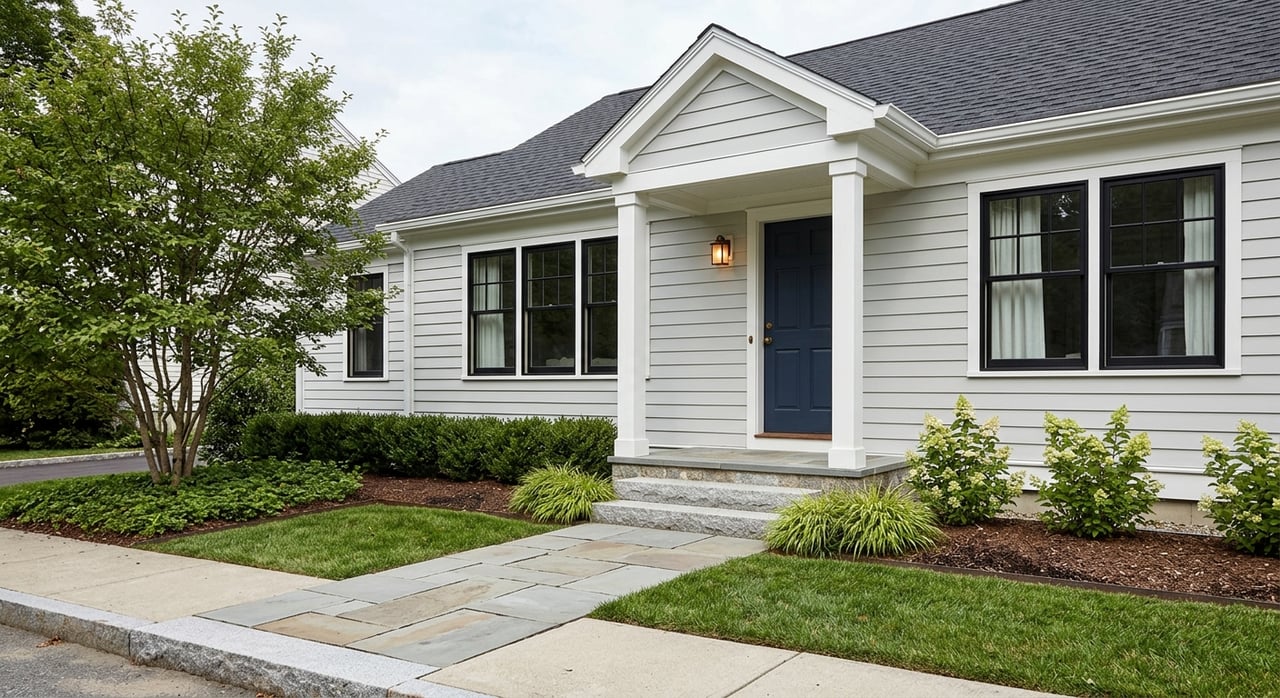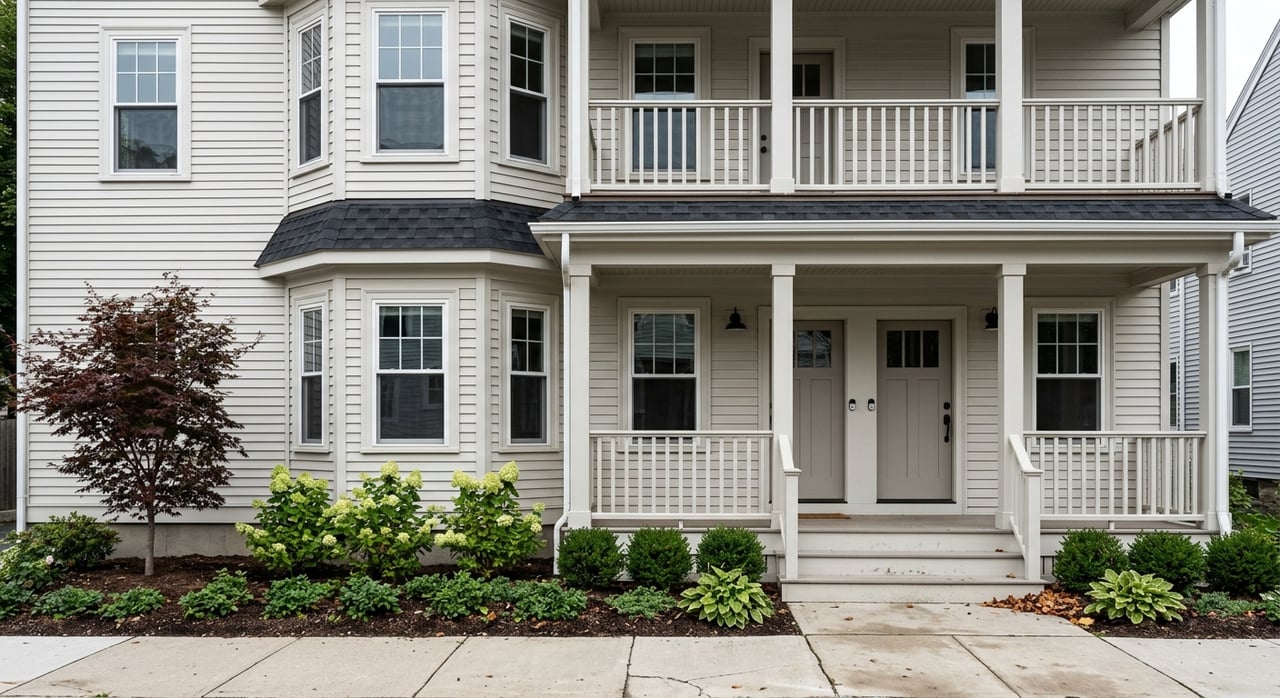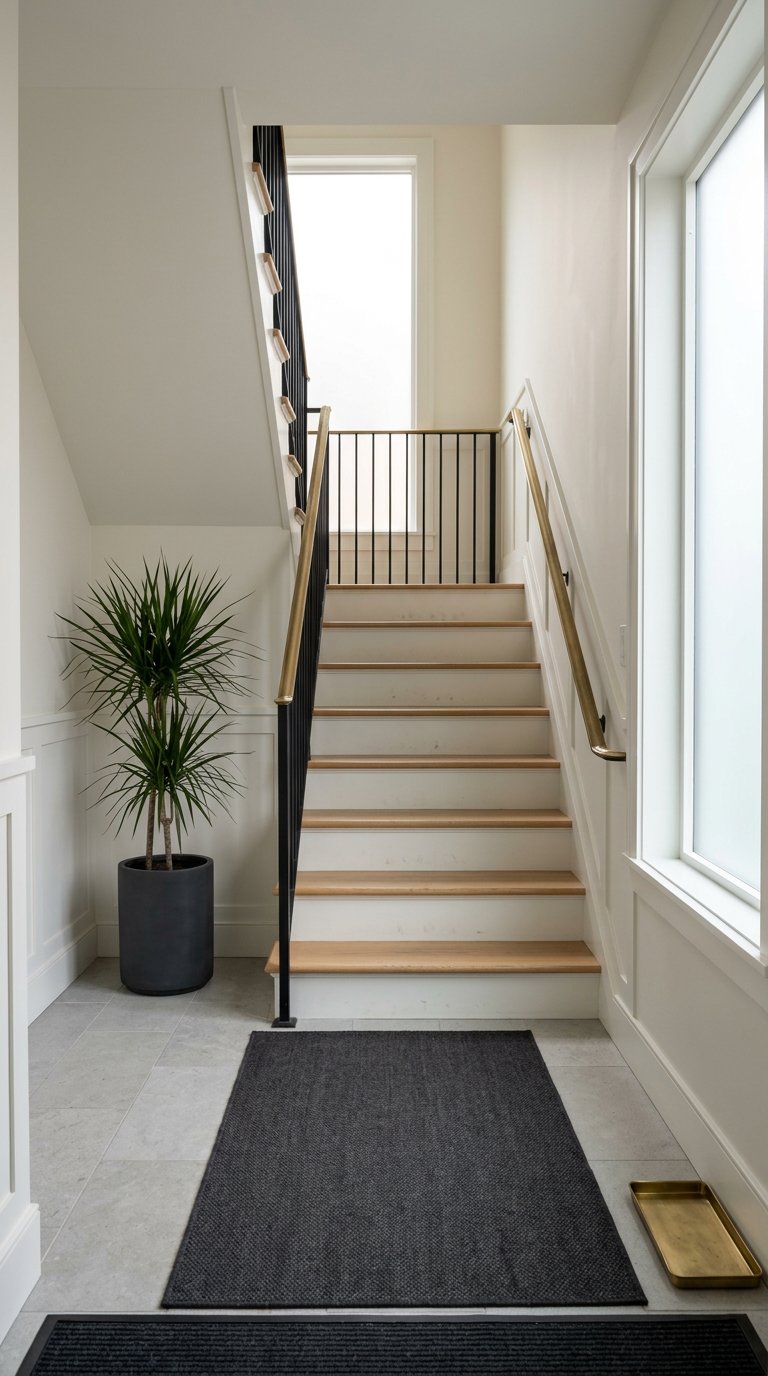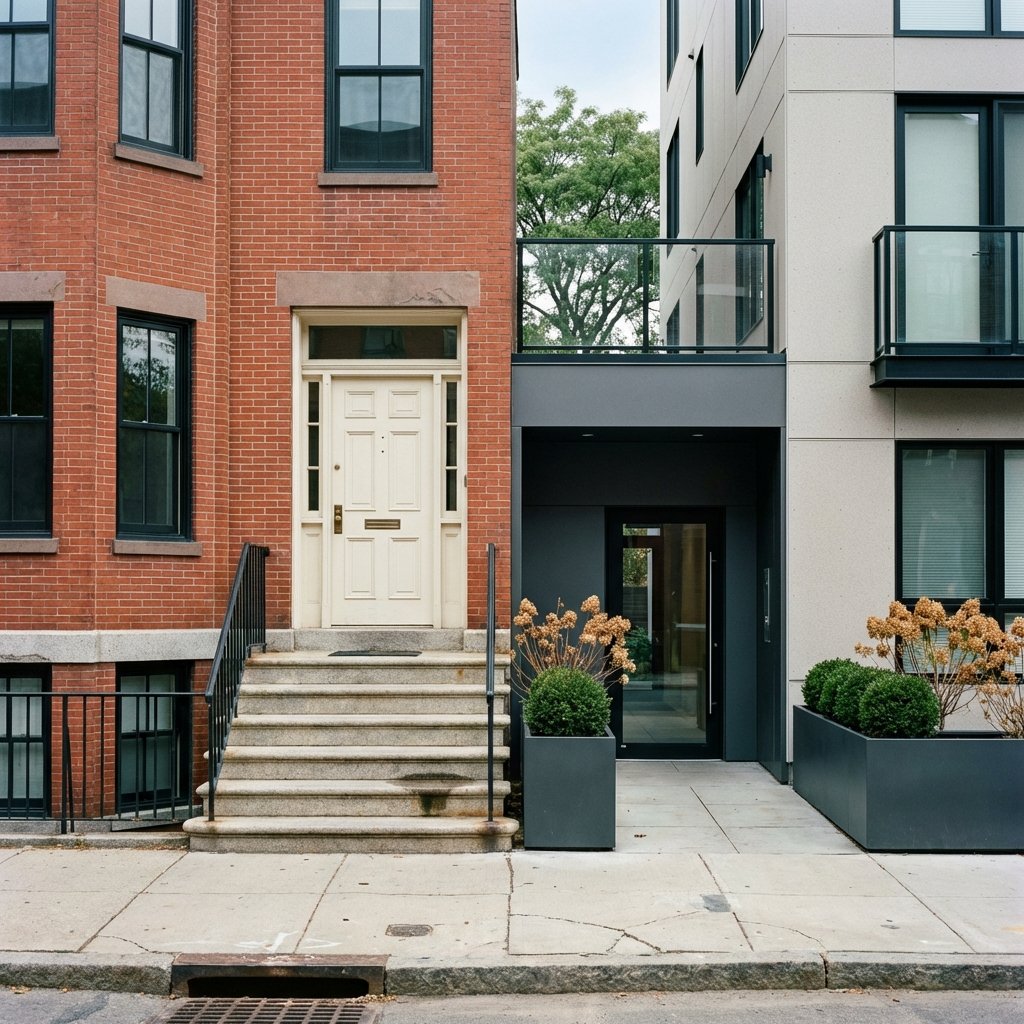
Trying to choose between a sleek Seaport condo and a classic Southie rowhouse conversion? You are not alone. South Boston offers both modern convenience and historic charm, and each comes with real differences in layout, monthly costs, maintenance, and financing. In this guide, you will learn how these two condo types compare so you can match your choice to your budget, lifestyle, and long-term plans. Let’s dive in.
South Boston at a glance
South Boston is a mix of high-rise waterfront living and historic rowhouse streets. The Seaport and Waterfront tend to command the highest prices per square foot, while City Point, Andrew Square, and inland blocks see relatively lower prices and strong demand. Values can vary widely by street, view, and building service level, so it pays to look hyper-local when you compare options.
Transit and walkability are strong across much of 02127. The Red Line at Broadway and Andrew, plus multiple bus routes, connect you to downtown quickly. Many buyers trade private parking for a central, walkable location, while new buildings often include garage spaces and amenities. You can sample block-by-block walkability using tools like Walk Score’s South Boston map.
New construction: what you get
Layouts and amenities
New buildings in and around the Seaport and near Broadway usually offer open-plan living, one to three bedrooms, generous windows, and private balconies or terraces. Elevators and level entries are standard, which makes single-level living easy. Common amenities often include a fitness room, roof deck, bike storage, concierge services, and garage parking.
Systems and efficiency
You typically see modern HVAC, in-unit laundry, energy-code-compliant windows, and EV-ready garage infrastructure. These features lower hands-on maintenance for you and centralize many building responsibilities with the association or its professional manager.
Fees and reserves
Amenity-rich buildings carry higher monthly dues because they fund concierge staffing, elevator service, common-area utilities, and more robust reserves. Healthy reserve funding matters. Industry guidance encourages associations to maintain an adequate replacement reserve and to use professional reserve studies to plan for future projects. A strong percent-funded reserve reduces the risk of sudden special assessments. Review the budget, meeting minutes, and any reserve study before you commit. For a quick primer on reserve targets and practices, see this overview of HOA reserve funding guidance.
Warranties and early-life risk
Many new builds follow a 1-2-10 warranty pattern: roughly one year for workmanship, two years for major systems, and up to ten years for structural defects. Coverage details vary by builder and whether a third party backs the warranty. Ask what is covered, how to file claims, and whether coverage transfers to you. Learn more about common warranty structures in this new construction warranty explainer.
Waterfront and flood exposure
Parts of the Seaport and low-lying made land face increased coastal flood risk. Boston’s climate planning maps out future flood pathways and encourages resilience steps like elevating mechanical systems and floodproofing. If you are considering a waterfront building, review the master insurance, any flood policy, the elevation certificate, and how critical systems are located. You can explore the city’s resilience planning at Resilient Boston Harbor.
Historic condos: what you get
Layout and character
Converted South Boston rowhouses often deliver character details like moldings, mantels, bay windows, and tall ceilings. Floor plans can be narrower than modern builds, and many units are multi-level with interior stairs. Renovations may open up the kitchen and add modern finishes, but original footprints can limit a full open-plan feel.
Maintenance and hidden costs
Older masonry buildings need periodic roof and flashing work, chimney and façade maintenance, and window repairs or replacements. If the property sits on made land or shows settlement clues, a structural evaluation helps. Specialized work that respects historic materials can be costlier, so it is smart to ask for records of recent repointing, roofing, and waterproofing. Preservation guides outline typical repair needs and best practices, such as these historic building maintenance guidelines.
Units in buildings built before 1978 may also present lead-paint risks. Renovation work must follow lead-safe rules, and buyers with young children should request deleading documentation. The EPA explains the renovation rule here: EPA Renovation, Repair and Painting program.
Older electrical and plumbing can also add cost. Ask for evidence of panel upgrades, any removal of knob-and-tube wiring, and replacement of cast-iron stacks where applicable.
Accessibility, parking, and stairs
Many historic rowhouses are walk-ups with no elevator and limited or no on-site parking. If you want step-free access or a deeded garage, confirm those features up front. On the flip side, you often gain a classic streetscape and central location that puts daily needs within a short walk.
Ownership and financing differences
How condo HOAs work in Massachusetts
Massachusetts General Laws Chapter 183A governs condo formation, owner rights, common-area responsibilities, assessments, and reserve requirements. You should read the master deed, bylaws, and the recorded floor plan and unit schedule to understand your percentage interest and voting rights. The statute is public and accessible here: Massachusetts Condominium Act, Chapter 183A.
Monthly fees: what they fund
Monthly dues pay for insurance on the building envelope, common utilities, management, maintenance, and reserve contributions. Larger buildings with services and amenities cost more to operate. Small, self-managed associations may have lower dues but also thinner reserves, which can increase the chance of special assessments. Focus less on the headline fee and more on whether the budget and reserves match the building’s age and systems.
FHA/VA and project approval
If you plan to use FHA or VA financing, the building’s approval status matters. Many lenders require a project to be FHA-approved or to qualify for Single-Unit Approval, which has limits on project size, owner-occupancy, and delinquency rates. Early-phase new buildings and very small conversions can be harder to finance with these programs. Ask your lender how the building’s status affects your options. Here is a consumer-friendly overview of FHA condo approval and Single-Unit Approval.
Insurance and flood coverage
For waterfront or low-lying buildings, lenders may require flood insurance if the structure or its systems sit in a FEMA Special Flood Hazard Area. Even outside mapped zones, flood risk can shape premiums and coverage. Always review the master insurance declarations, any flood policy, and the location of mechanical systems relative to projected flood pathways. City resources provide useful context at Resilient Boston Harbor.
Total monthly cost: line items to compare
When you compare a new build to a historic conversion, stack up all recurring costs so you see the full picture:
- Mortgage and taxes: Your lender can estimate after you pick a building. Watch for higher tax assessments in high-amenity, high-value buildings.
- HOA dues: New builds with concierge, elevators, and garages are higher. Small associations are often lower but may underfund reserves.
- Utilities: Newer buildings may offer better energy performance, while older buildings can vary based on insulation and window upgrades.
- Insurance: Your unit-owner policy (HO-6) depends on the master policy. Flood exposure near the waterfront can affect premiums.
- Parking: Factor any monthly garage fee or the value of a deeded space.
- Reserves and special assessments: Review reserve studies and recent minutes to gauge future projects and assessment risk. You can learn how pros think about reserve health here: HOA reserve funding guidance.
Lifestyle fit and resale outlook
If you want single-level living, elevators, and services like concierge, a new building will likely fit best. You will pay more in up-front price and monthly dues, but many buyers value the turnkey convenience. If you value architectural character, multi-level layouts, and potentially lower dues, a historic conversion can be a strong match, especially if the association is well run and the building has documented upgrades.
For resale, amenity-rich buildings often attract a broad pool of future buyers who value convenience, while well-maintained historic units draw buyers who prioritize charm and location. Either path can perform well when the association is healthy, the unit is well kept, and the location suits daily needs.
Buyer checklist: South Boston condos
Use this as your pre-offer due diligence list. Ask your agent and lender to help gather and review these items.
Core documents to request
- Master deed, bylaws, declaration of trust, and the unit schedule that shows your percentage interest. See the framework under Massachusetts Chapter 183A.
- The last 2–3 years of budgets and financials, plus the most recent reserve study and the last 12 months of meeting minutes. Review reserve health using industry reserve guidance.
- Association insurance declarations (master policy), any flood policy, and any statements on pending claims or litigation.
- For waterfront or low-lying buildings: elevation certificate and any resilience work plans. City context: Resilient Boston Harbor.
- For new construction: builder warranty details and whether coverage is transferable. See a primer on new construction warranties.
Inspections to consider
- General home inspection plus roof, masonry/façade, and structural reviews if conditions suggest they are needed.
- Plumbing and electrical evaluations for older buildings, with attention to any knob-and-tube wiring or outdated panels.
- Lead testing or deleading certificates for pre-1978 properties. Learn the basics of the EPA’s lead-safe renovation rule.
- Flood and elevation review for waterfront buildings or units with low-lying mechanicals.
Red flags to watch
- No recent reserve study, very low reserves for the building’s age, or repeated special assessments without a long-term plan.
- Ongoing litigation against the association or unresolved insurance claims.
- The building does not meet your financing needs, such as FHA/VA, and no lender path exists. Read more about FHA condo approval and Single-Unit Approval.
- Mechanical equipment located at grade in flood-exposed locations without mitigation.
If you balance these factors with your lifestyle and budget, you will narrow your search quickly and focus on the right South Boston buildings.
Ready to compare specific units, fees, and reserve health side by side? Reach out to Jonathan Heelen for a data-driven consult and a seamless plan tailored to your South Boston goals.
FAQs
What are the main differences between new and historic South Boston condos?
- New builds offer open plans, elevators, amenities, and modern systems with higher dues, while historic conversions deliver character and potentially lower dues with more hands-on maintenance and stairs.
How do HOA fees compare in Seaport high-rises versus small Southie associations?
- High-rise and amenity buildings usually have materially higher monthly dues to fund concierge, elevators, and robust reserves, while small self-managed associations tend to be lower but can be thinly funded.
How does flood risk affect waterfront condo ownership in South Boston?
- Lenders may require flood insurance if the building or its systems sit in a mapped flood zone, and premiums can vary; review elevation certificates, master and flood policies, and city resilience context at Resilient Boston Harbor.
What should first-time buyers know about FHA loans for South Boston condos?
- FHA often requires project approval or Single-Unit Approval with limits on owner occupancy and delinquencies; early-phase new buildings and tiny associations can be harder to finance with FHA, so confirm status early using this FHA condo approval overview.
Which documents should I review before making an offer on a South Boston condo?
- Request the master deed and bylaws, recent budgets and reserve study, meeting minutes, and the master insurance declarations; for waterfront sites, add an elevation certificate and any flood policy details, and for new builds, get the warranty terms.